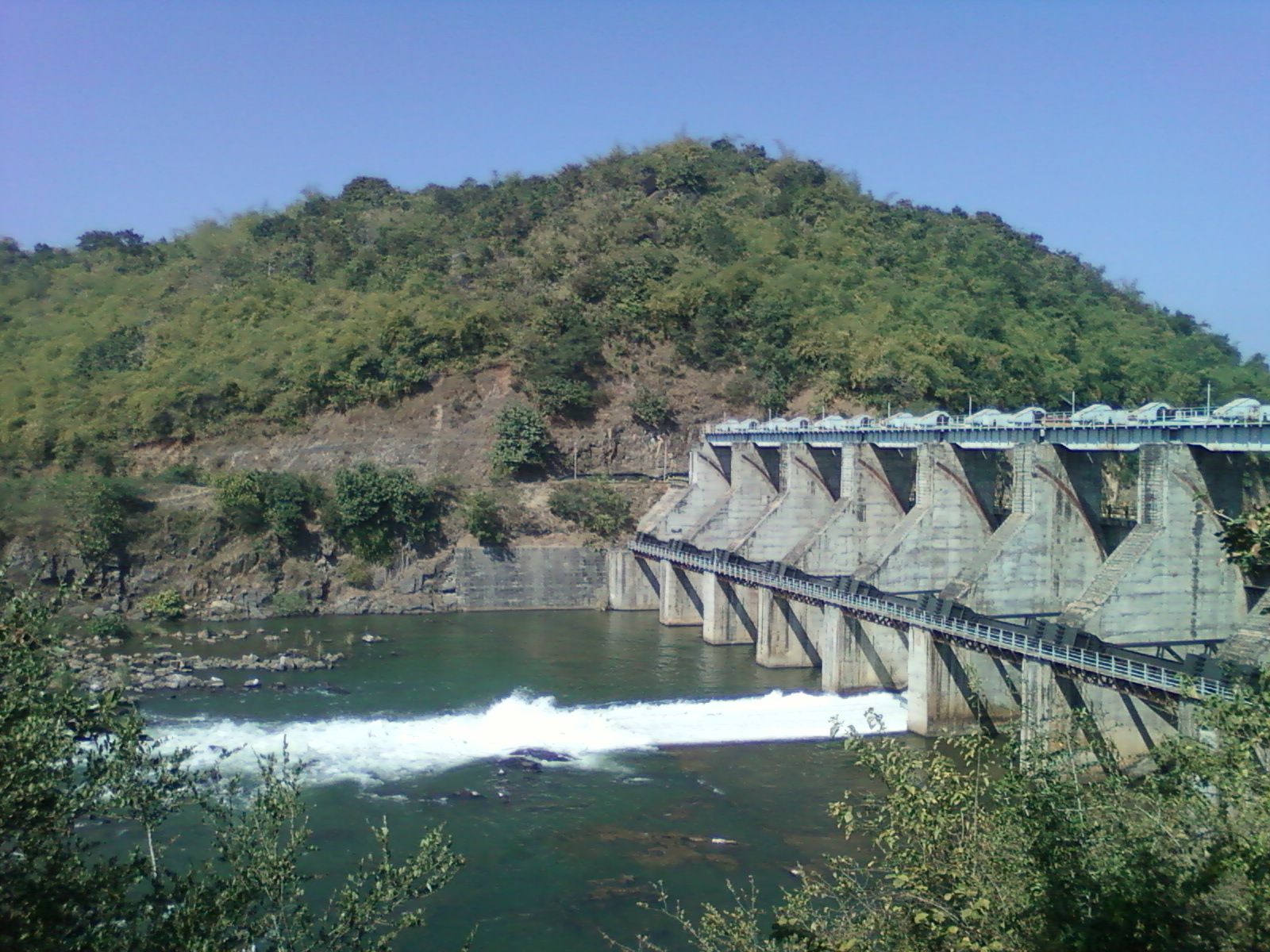
Small hydro · Yeleswaram, Andhra Pradesh
Irrigation first.
Generation next.
A 4.5 MW hydro power station on the Yeleru reservoir, turning the water released for farmers into clean electricity for the grid since 2001.
- Installed capacity3 × 1.5 MW units
- 4.5 MW
- Delivered to the gridStage I, 2001–2021
- 233 GWh
- Years generatingFirst export January 2001
- 25+
- Yeleru reservoir storageGross storage capacity
- 24.11 TMC
Our principle
Power that waits its turn.
The Yeleru reservoir exists to irrigate more than 53,017 acres of farmland and to supply water to Visakhapatnam. Our plant is built around that purpose, not against it.
We generate electricity from the water already flowing to the canals. When the fields need water, we generate. When releases stop, so do we. Irrigation first, generation next is how the plant has run since day one.
How it works
From water to wire
- 01
Reservoir
The Yeleru reservoir stores up to 24.11 TMC of monsoon inflow behind its dam at Yeleswaram, with full reservoir level at +86.56 m.
- 02
Irrigation release
Water is released to the canals according to the irrigation schedule. Irrigation comes first: the plant generates from those releases, it does not set them.
- 03
Turbine hall
The falling water spins 3 turbine-generator units of 1.5 MW each (4.5 MW in all), then flows on into the canal system.
- 04
Grid
Every unit generated is stepped up and fed into the Andhra Pradesh grid. Clean, local, renewable electricity.
Two decades of data
Generation record
Monthly meter readings since the first export in 2001 show how closely generation follows the monsoon. Wet years fill the reservoir and keep the canals running; dry years mean less water released, and less power.
- Cumulative, Stage I
- 233 GWh
- Best month
- 2.30 GWh
| Financial year | GWh |
|---|---|
| 2001-02 | 14.8 |
| 2002-03 | 4.7 |
| 2003-04 | 9.6 |
| 2004-05 | 7.5 |
| 2005-06 | 11.9 |
| 2006-07 | 17.6 |
| 2007-08 | 19.9 |
| 2008-09 | 17.7 |
| 2009-10 | 4.6 |
| 2010-11 | 14.1 |
| 2011-12 | 17.4 |
| 2012-13 | 12.8 |
| 2013-14 | 13.1 |
| 2014-15 | 9.2 |
| 2015-16 | 5.9 |
| 2016-17 | 5.8 |
| 2017-18 | 7.8 |
| 2018-19 | 11.3 |
| 2019-20 | 12.7 |
The source
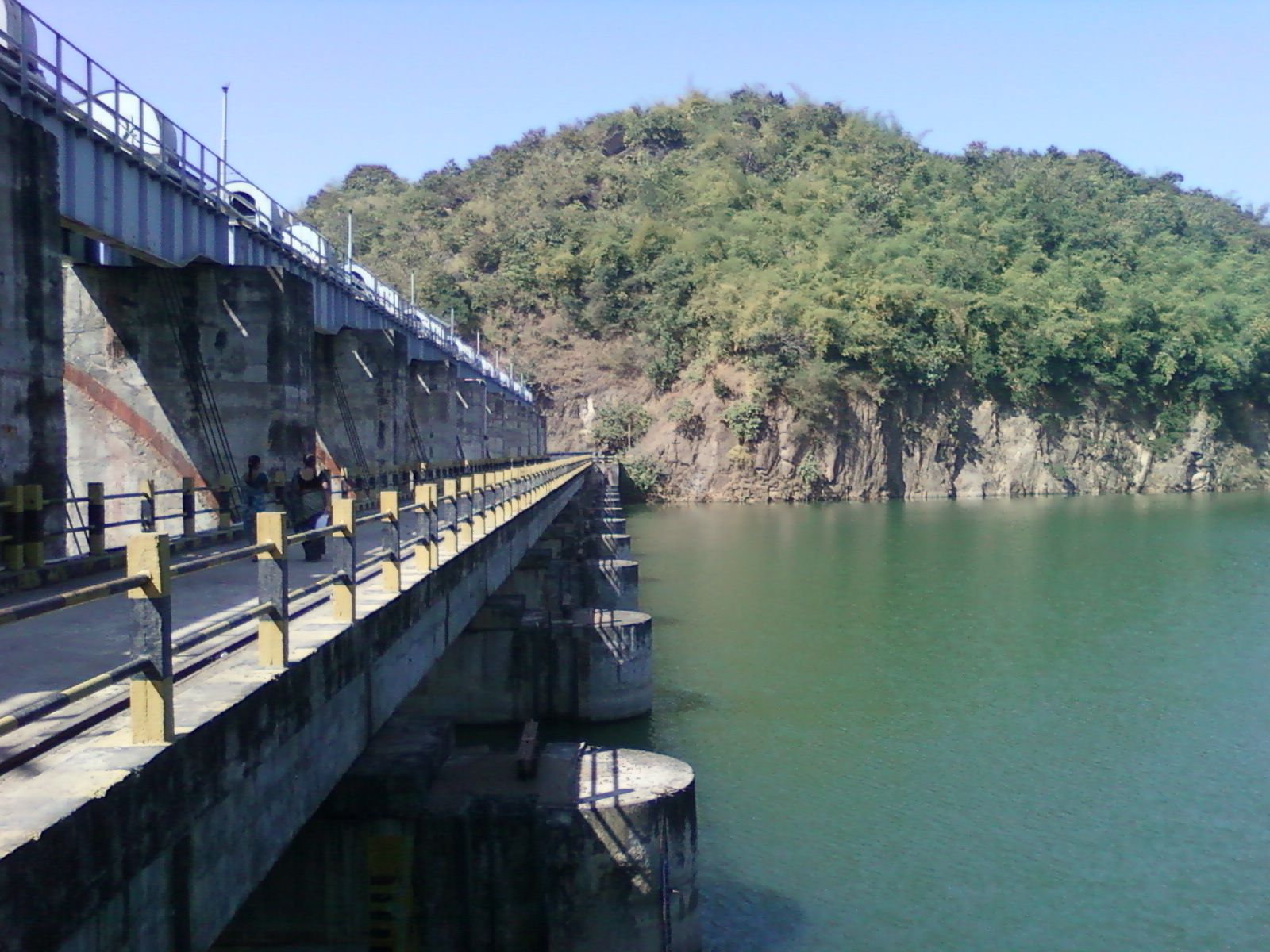
The Yeleru reservoir
Completed in 1991, the earth dam across the Yeleru river near Yeleswaram holds back a 59.36 km² lake. It irrigates farmland across six mandals and supplies water to Visakhapatnam and its steel plant.
- Live storage
- 17.95 TMC
- Full reservoir level
- +86.56 m
- Ayacut irrigated
- 53,017 ac
- Villages served
- 76
Registered clean energy
One of our 1.5 MW units is registered with the United Nations Clean Development Mechanism (project 9564, registered 2013). It is estimated to avoid around 7,876 tonnes of CO₂ a year by displacing fossil-fuelled grid power.
Plant location
Yeleswaram
Kakinada District (formerly East Godavari), Andhra Pradesh
17°18′ N · 82°05′ E
Talk to us
For grid, regulatory or partnership enquiries, reach our registered office in Ravulapalem.
Contact details